Brain Adaptations Project
Investigating neural mechanisms of stress resilience following voluntary exercise
Project Overview
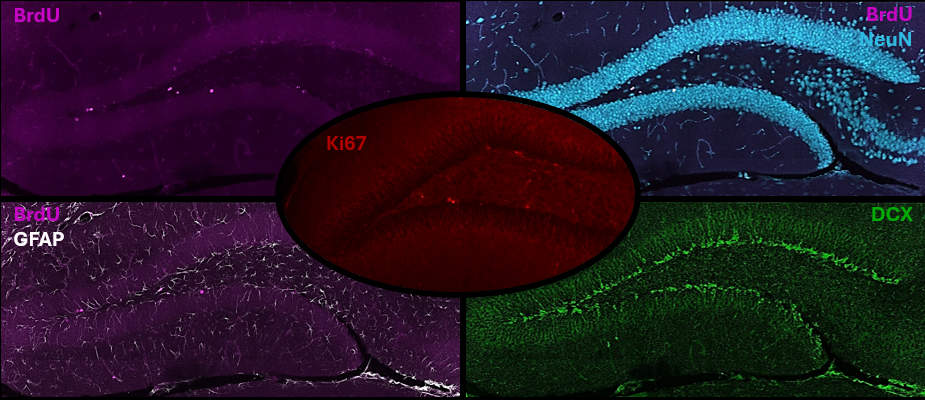
This research project investigates the neurobiological mechanisms through which regular physical activity enhances resilience to stress. Using animal models, we are specifically focusing on the role of ΔFOSB and other molecular adaptations in key brain regions that occur following voluntary wheel running.
Research Methodology
This research project employs several techniques:
-
Voluntary wheel running paradigms to model regular exercise in rodents
-
Immunohistochemistry and fluorescence microscopy to visualize ΔFOSB expression in brain tissue
-
Viral-mediated gene transfer to manipulate ΔFOSB expression in specific brain regions
Other Projects

StayFine
Preventing relapse in adolescents with depression and anxiety disorders through personalized digital interventions.
STRIDE-4-Mental Health
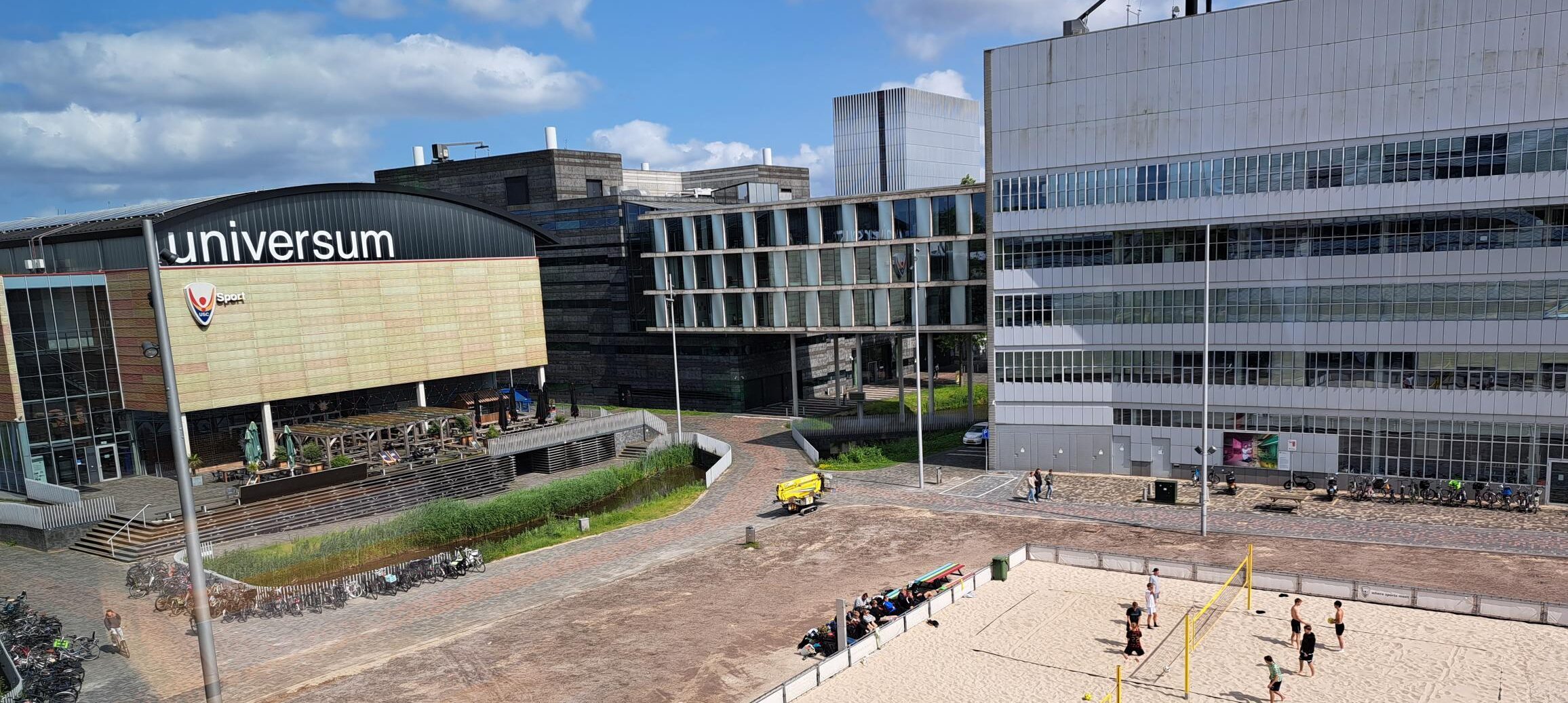
Applying a network approach to uncover factors influencing exercise persistence in students.
LEOPARD PREDICT
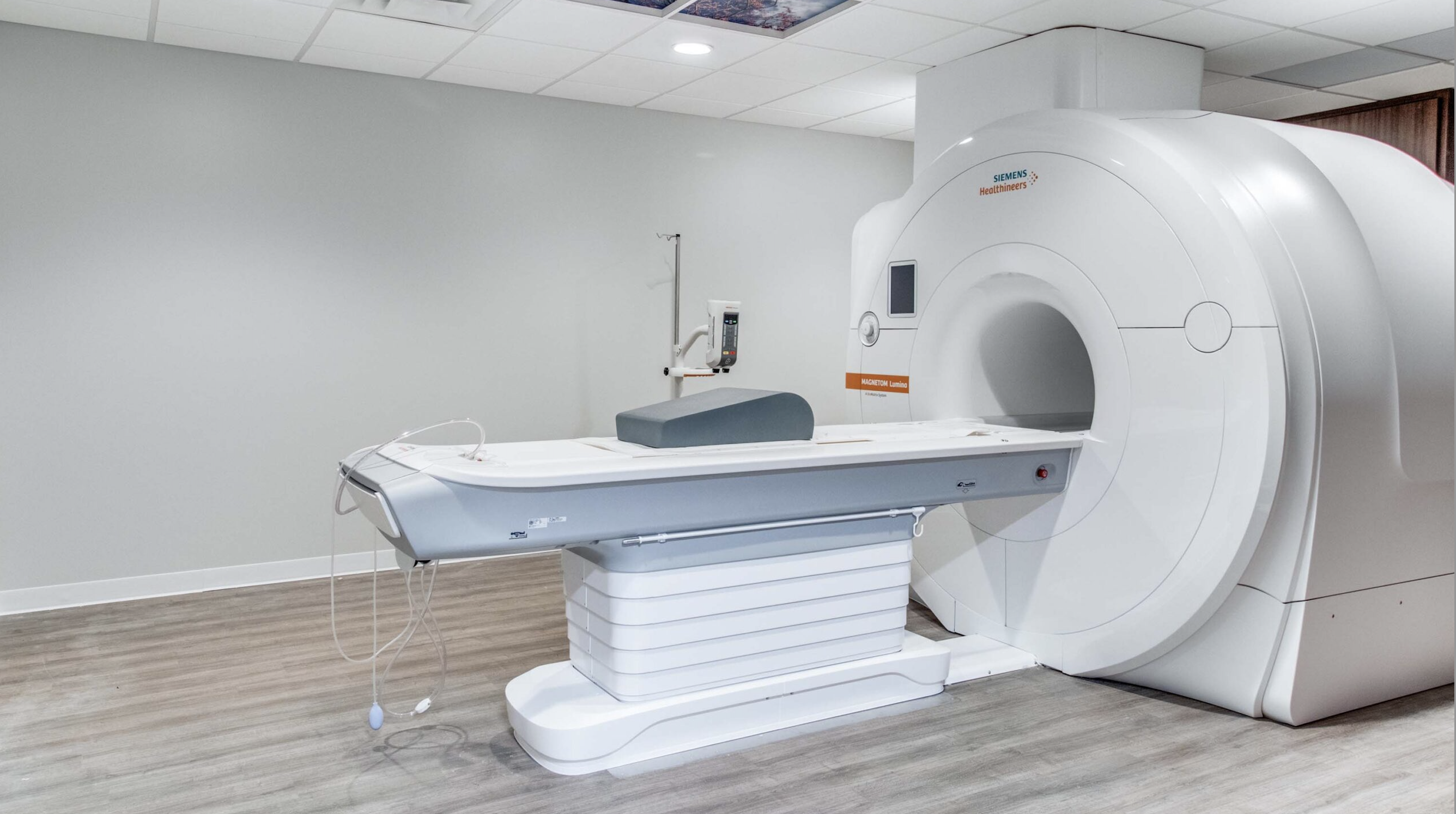
Predicting antidepressant-treatment response in depressed patients using rsfMRI data and physical activity parameters.