STRIDE-4-Mental Health
Promoting exercise persistence and mental wellbeing in university students through innovative network approaches

Project Overview
Many young adults face significant lifestyle changes and experience stress when starting a
university education, increasing their risk for mental health issues like anxiety and depression.
Regular exercise is a simple, low-cost way to boost mental well-being, reduce anxiety and
depression, and even enhance academic performance.
The STRIDE-4-Mental Health project will apply a comprehensive network approach to uncover the
factors influencing exercise persistence in students and its relationships to mental health,
personality, and lifestyle (e.g., urbanicity). In collaboration with Caring Universities and the
University Sports Centre, we will conduct large-scale assessment on physical activity patterns,
factors influencing lasting exercise routines and their impact on (first year) student's stress,
mental health and academic performance.
Insights will shape an online behaviour-change intervention combining psychoeducation, strategic
planning, and a buddy system, which will be evaluated through a randomized controlled trial.
Research Methodology
Our research methodology employs a multi-faceted approach:
-
Network analysis to map the complex relationships between exercise habits, mental health, and academic performance
-
Large-scale surveys and ecological momentary assessments to capture real-time data on student behaviors and experiences
-
Randomized controlled trial to evaluate the effectiveness of our behavior-change intervention
Other Projects
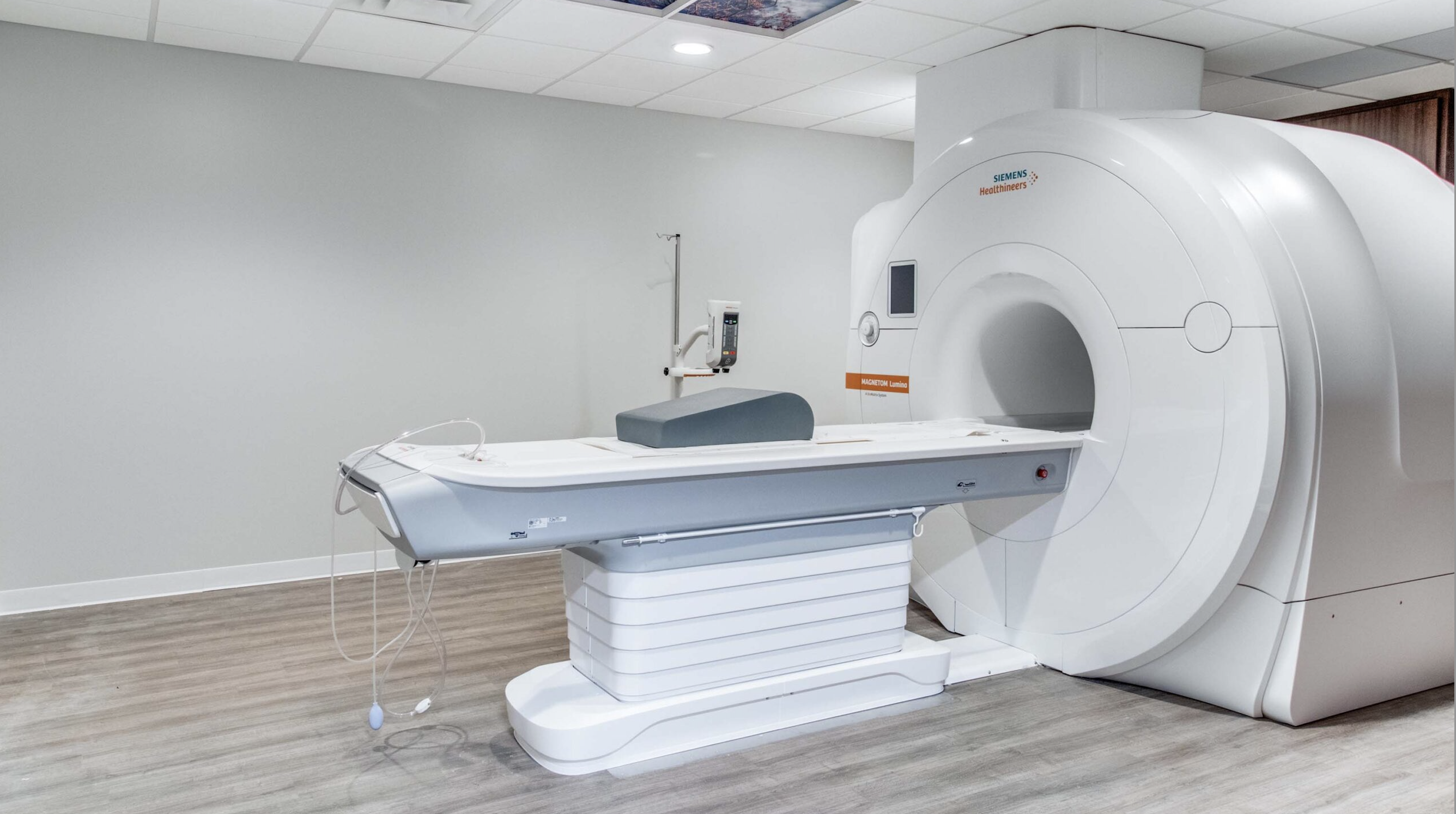
LEOPARD PREDICT
Predicting antidepressant-treatment response in depressed patients using rsfMRI data and physical activity parameters.

StayFine
Preventing relapse in adolescents with depression and anxiety disorders through personalized digital interventions.

Brain Adaptations
Investigating neural mechanisms of stress resilience following voluntary exercise