Leopard Predict
Predicting antidepressant treatment response using neuroimaging and physical activity data
Project Overview
It usually takes around eight weeks to determine if an antidepressant drug is effective in depressed patients. Furthermore,
after one year, treatment with antidepressants is effective in about half of all treated depressed patients. In the Leopard
Predict study, we will determine if we can predict antidepressant-treatment response in depressed patients (18-60 years)
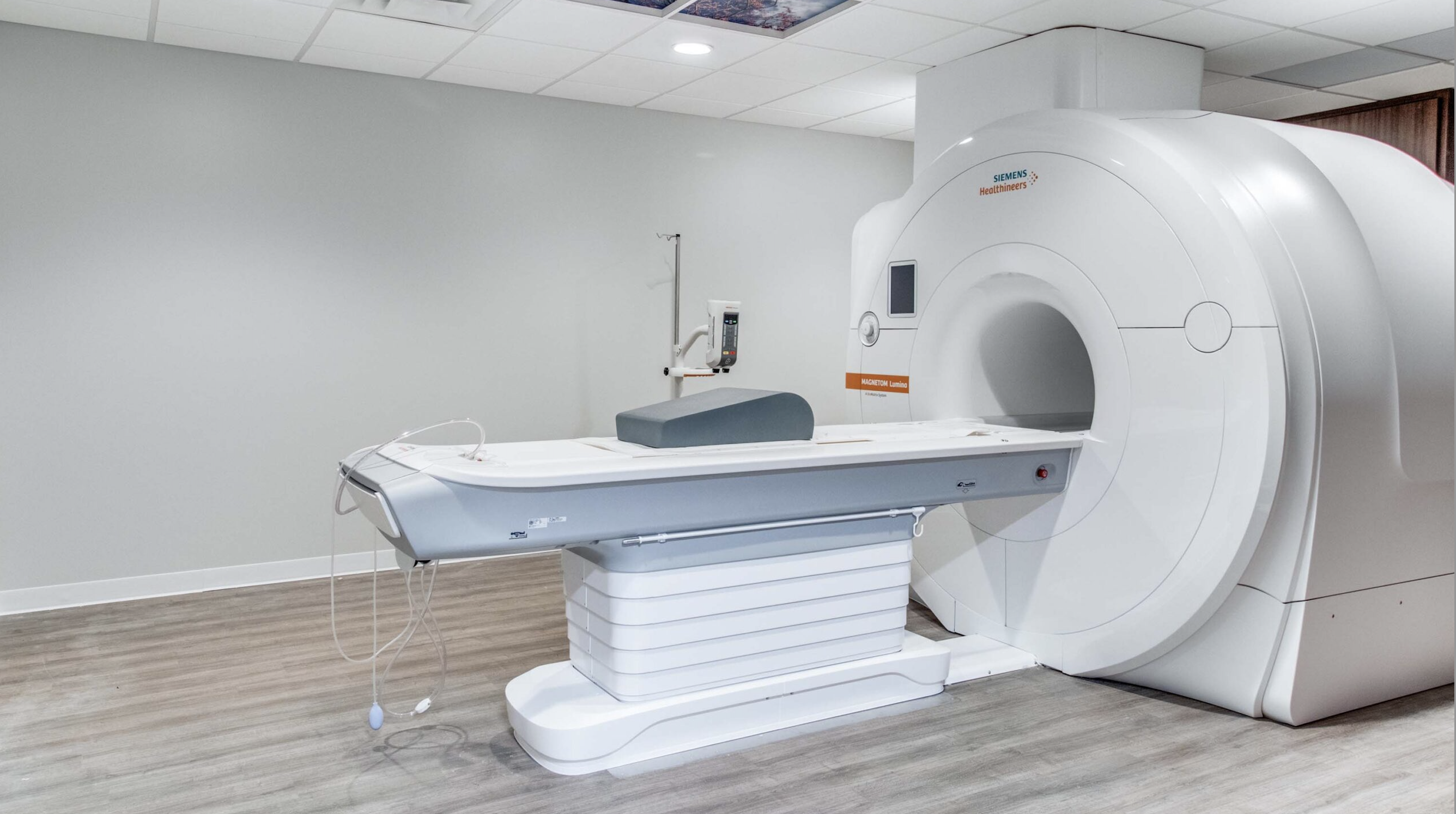
within two weeks of starting with antidepressant treatment using resting-state functional MRI (rsfMRI) data.
We will explore if integration of physical activity parameters can improve prediction of antidepressant treatment effectivity
using rsfMRI data. This approach could significantly reduce the time needed to identify effective treatments for individual
patients, leading to faster symptom relief and improved outcomes.
Research Methodology
Our research methodology combines advanced neuroimaging with physical activity monitoring:
-
Resting-state functional MRI (rsfMRI) to assess brain connectivity patterns before and after treatment initiation
-
Wearable accelerometers to continuously monitor physical activity levels and patterns
-
Standardized clinical assessments to measure depression severity and treatment response
Other Projects

StayFine
Preventing relapse in adolescents with depression and anxiety disorders through personalized digital interventions.

STRIDE-4-Mental Health
Applying a network approach to uncover factors influencing exercise persistence in students.
Brain Adaptations
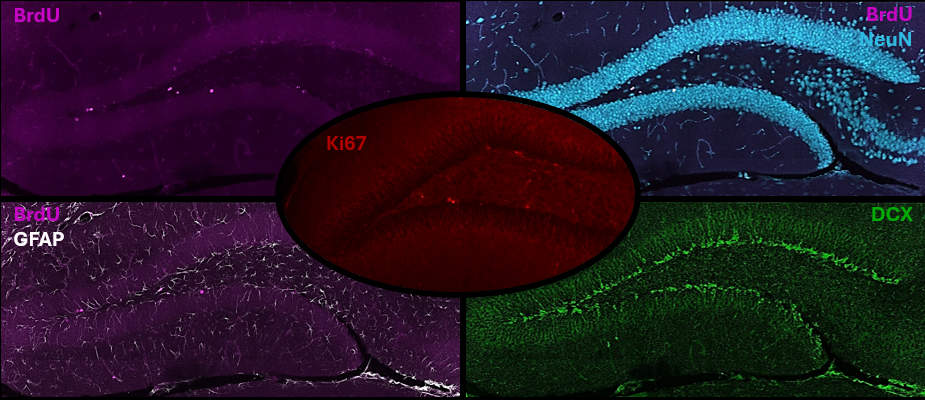
Investigating neural mechanisms of stress resilience following voluntary exercise