Synergistic effects of voluntary wheel running and immunotherapy on tumor growth and brain function
How movement and medicine shape tumor suppression and brain health
Project Overview
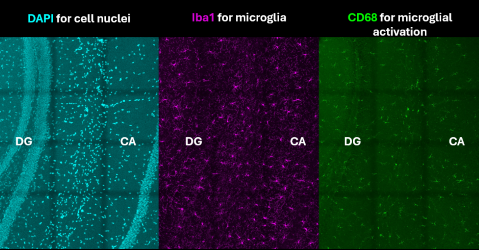
This project aims to explore how cancer immunotherapy and voluntary exercise interact to influence brain health. Using a model of colorectal cancer, it investigates the effects of immune checkpoint inhibition and wheel running on microglia, the brain’s resident immune cells. The goal is to better understand how these treatments affect the brain alongside their impact on tumor growth.
Research Methodology
Our research methodology combines advanced neuroimaging with physical activity monitoring:
-
Resting-state functional MRI (rsfMRI) to assess brain connectivity patterns before and after treatment initiation
-
Wearable accelerometers to continuously monitor physical activity levels and patterns
-
Standardized clinical assessments to measure depression severity and treatment response
Other Projects

StayFine
Preventing relapse in adolescents with depression and anxiety disorders through personalized digital interventions.
STRIDE-4-Mental Health
Applying a network approach to uncover factors influencing exercise persistence in students.
Brain Adaptations
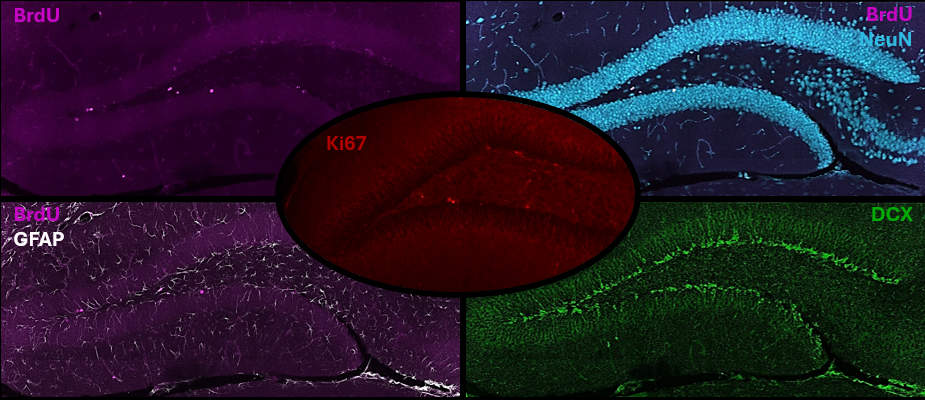
Investigating neural mechanisms of stress resilience following voluntary exercise